Neoprene socks serve as crucial thermal barriers during underwater exploration, protecting swimmers’ feet from cold water and sharp surfaces. Available in varying thicknesses between 2mm and 3mm, these specialized socks offer features like anti-slip soles and reinforced panels for improved durability and stability. Understanding the distinctions between top-performing models, from CAPAS to Cressi, requires examining specific design elements that distinguish reliable options from mediocre alternatives.


Key Takeaways
- Neoprene thickness (2mm-3mm) determines thermal insulation levels, with thicker material providing greater warmth in cold water environments.
- Glued and blind-stitched seam construction prevents water infiltration while enhancing durability during extended diving and snorkeling sessions.
- Anti-slip soles with textured rubber provide essential traction and stability on wet surfaces, reducing slippage hazards underwater.
- Anatomically shaped designs with proper sizing (S-XXL) ensure snug fit, minimizing water circulation and maximizing thermal protection.
- Reinforced toe guards and premium neoprene materials offer abrasion and cut resistance against underwater hazards and rough surfaces.
CAPAS Neoprene Sand Socks for Beach and Water Sports

For water sports enthusiasts seeking reliable foot protection across multiple aquatic activities, the CAPAS Neoprene Sand Socks represent a practical solution through their specialized construction and versatile design. Constructed from 2mm drysuit neoprene using Japanese-made Yamamoto #38 smooth skin material with glued, blind-stitched techniques, these socks provide durability and effective sealing. The design prevents sand and water infiltration while maintaining warmth during extended water exposure. Silicone traction patterned after SUV tire treads offers dependable grip on slippery surfaces, including boat decks and pool edges. Available in sizes ranging from S to XL, accommodating various foot dimensions, the high elastic material guarantees flexibility and long-term durability. These socks suit diverse activities including plunging, snorkeling, paddle boarding, and beach volleyball, making them a multifunctional investment for water sports participants.
Best For: Water sports enthusiasts and beachgoers who need reliable foot protection across multiple aquatic activities while maintaining warmth and grip on slippery surfaces.
Pros:
Cons:
Nitescuba Neoprene Wetsuit Socks for Water Sports (2.5mm)
Cold-water enthusiasts and recreational adventurers will find the Nitescuba Neoprene Wetsuit Socks particularly suited to their needs, as the 2.5mm neoprene construction delivers reliable thermal protection while maintaining reasonable flexibility for extended underwater activities. The socks feature reinforced rubber printing soles with anti-slip properties, ensuring secure footing on wet surfaces during transitions. Constructed from imported neoprene with flatlock stitching and single-needle reinforcement, these socks demonstrate durability across demanding water sports applications. The minimal seam placement further boosts longevity and comfort. Available in five sizes—S, M, L, XL, and XXL—the socks accommodate diverse foot dimensions. They serve effectively for free snorkeling, diving, surfing, and swimming, providing both thermal insulation and protective coverage for underwater investigation.
Best For: Cold-water enthusiasts and recreational adventurers seeking reliable thermal protection and foot safety for diving, snorkeling, surfing, and swimming activities.
Pros:
Cons:
Nitescuba Neoprene Wetsuit Socks for Water Sports
The Nitescuba Free Diving Socks, constructed from 2.5mm neoprene material, represent an excellent choice for water sports enthusiasts who prioritize thermal protection and durability. The neoprene composition minimizes heat loss in cold water environments, making these socks ideal for snorkeling, surfing, and swimming activities. Reinforced rubber printing on the sole provides anti-slip traction on wet surfaces, while flatlock stitching combined with strong adhesive guarantees long-term durability. Designed primarily as fin socks for free divers, they offer versatile protection against sharp objects and potential injuries. Available in sizes S through XXL, these socks accommodate various foot dimensions, with sizing charts provided for accurate selection and peak fit.
Best For: Water sports enthusiasts who need thermal protection and foot safety while engaging in snorkeling, surfing, swimming, or free diving activities.
Pros:
Cons:
XUKER Neoprene Water Socks 3mm for Beach and Water Sports
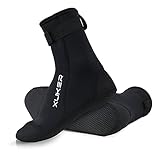
XUKER’s 3mm neoprene water socks offer an excellent choice for recreational swimmers and water sports enthusiasts seeking reliable foot protection without excessive bulk. Constructed from 90% neoprene and 10% nylon, these socks deliver flexibility and comfort through their ergonomic design, which prevents wrinkling on the back of the feet. The anti-slip sole improves grip during water activities, while flat seams and smooth skin openings minimize water entry, maintaining warmth in cooler conditions. These socks serve multiple purposes across swimming, snorkeling, kayaking, surfing, and beach volleyball. Hand washing is recommended for longevity, and users should turn socks inside out during removal to preserve the material’s integrity and fit.
Best For: Recreational swimmers and water sports enthusiasts who need reliable foot protection across multiple aquatic activities without excessive bulk.
Pros:
Cons:
Cressi Neoprene Diving Socks for Scuba Diving and Freediving
Cressi Neoprene Snorkeling Socks stand out as an excellent choice for divers who prioritize both thermal protection and foot durability during extended underwater activities, whether they’re engaging in scuba snorkeling, freediving, or spearfishing. Constructed from 100% premium ultra-stretch neoprene lined with elastic nylon, these anatomically shaped socks provide a second-skin sensation that improves comfort and fit. The model features an abrasion-resistant toe guard and reinforced bottom, offering essential protection against rocks, jellyfish, and training wear. Designed in Italy and backed by a two-year limited warranty, Cressi’s diving socks represent decades of expertise since the company’s 1946 founding in diving equipment innovation.
Best For: Divers and water sports enthusiasts who need reliable thermal protection and foot durability during extended underwater activities including scuba diving, freediving, and spearfishing.
Pros:
Cons:
Water Sports Swimming Dive Socks Neoprene Diving Swimming Fin Boot Socks
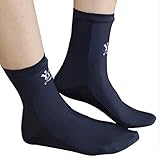
Water sports enthusiasts who require reliable foot protection during plunging, body surfing, or fishing expeditions will find neoprene diving socks crucial for their activities. These solid-pattern neoprene socks feature an easy buckle or adjustment system, ensuring a secure fit that prevents water entry effectively. The warm, elastic, and comfortable construction protects feet from scratches and sharp objects encountered underwater. Machine washable for convenient maintenance, these fin boot socks combine durability with practical functionality. Their versatile design accommodates various water sports scenarios, making them vital gear for both recreational and serious divers seeking dependable foot protection and thermal insulation during aquatic pursuits.
Best For: Water sports enthusiasts including divers, body surfers, and anglers who need reliable foot protection and thermal insulation during aquatic activities.
Pros:
Cons:
Diving Socks, 3MM Neoprene Socks Surf Booties Dive Booties Dive Boots
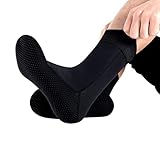
For water enthusiasts seeking reliable foot protection across multiple aquatic activities, these 3mm neoprene diving socks represent a vital investment in comfort and safety. The ultra-stretchy premium neoprene construction provides fundamental warmth in cooler waters while protecting feet from sharp rocks, coral, and jellyfish stings. Reinforced rubber grips on the bottom deliver anti-slip performance, enabling confident movement across slippery surfaces. The glued blind stitched seams minimize water entry, though users should note they are not completely waterproof. Quick-dry materials make for easy wear and removal, while the lightweight, compressible design makes transportation simple. Suitable for both men and women, these socks excel across diving, surfing, snorkeling, wakeboarding, and kayaking applications.
Best For: Water enthusiasts of all levels who need reliable foot protection and warmth across multiple aquatic activities including diving, surfing, snorkeling, and kayaking.
Pros:
Cons:
XUKER Neoprene Water Socks 3mm for Beach and Water Sports
The XUKER Neoprene Water Socks 3mm present an excellent option for adventurers seeking reliable foot protection across multiple aquatic environments. Constructed from 90% neoprene and 10% nylon, these imported socks feature an ergonomic design that prevents uncomfortable wrinkles while maintaining regular fit. The 3mm neoprene thickness provides adequate insulation for cooler waters while protecting soles during various activities. Though not entirely waterproof, flat seams and smooth openings minimize water entry effectively. Abrasion-resistant soles allow free movement across diverse surfaces, from sandy beaches to rocky underwater terrain. Hand washing preserves material integrity, ensuring longevity. These versatile socks accommodate swimming, snorkeling, submerging, surfing, and paddling sports, making them practical investments for water enthusiasts.
Best For: Water sports enthusiasts and beach lovers seeking durable foot protection across multiple aquatic activities and sandy environments.
Pros:
Cons:
Factors to Consider When Choosing Neoprene Socks for Diving
Selecting appropriate neoprene socks requires evaluating several critical characteristics that directly impact comfort, protection, and performance in aquatic environments. Neoprene thickness determines insulation levels, material quality affects durability and flexibility, proper fit prevents water circulation and discomfort, sole grip guarantees stability on slippery surfaces, and seam construction methods influence longevity and water resistance. Understanding these five factors permits explorers to create educated choices aligned with their specific immersion conditions and personal preferences.
Neoprene Thickness and Insulation
Thickness represents one of the most critical variables when evaluating neoprene socks for plunging, as it directly determines the level of thermal protection a swimmer will receive in different water conditions. Common options include 2mm, 2.5mm, and 3mm thicknesses, each suited for specific environments. Thicker neoprene, particularly 3mm socks, provides superior insulation in colder waters by reducing heat loss more effectively than thinner alternatives. Maintaining proper body temperature during extended underwater exposure prevents hypothermia, making thickness selection vital for safety. Beyond thickness alone, fit significantly impacts insulation effectiveness; overly tight socks restrict circulation and reduce warmth, while loose-fitting options allow water infiltration, compromising protection. Improved features like glued seams and smooth skin finishes further optimize thermal efficiency by minimizing water entry and maximizing insulation performance.
Material Quality and Durability
Material composition and construction quality form the foundation of neoprene sock performance, directly influencing both protective capability and longevity in demanding underwater environments. High-grade neoprene should feature robust stitching techniques, such as flatlock or blind stitching, which improve durability and prevent water from seeping into the socks. Reinforcements, including rubber printing on the sole, significantly boost traction on wet surfaces and reduce wear over time. Furthermore, choosing socks with abrasion-resistant properties guards against injuries from sharp objects underwater, improving overall product longevity. A soft texture without fur lining provides comfort while allowing a snug fit during water activities. These quality indicators collectively determine whether neoprene socks will withstand repeated use in challenging aquatic conditions while maintaining their protective functions effectively.
Fit and Sizing Accuracy
While material quality and construction techniques establish the foundation for neoprene sock durability, proper fit and sizing accuracy determine whether these protective features translate into real-world performance during snorkeling activities. Neoprene socks must fit snugly to minimize water entry while maintaining adequate circulation and flexibility. Manufacturers provide detailed size charts that account for foot measurements, gender, and shoe size, ensuring precise matches between divers and products. Selecting the correct size prevents discomfort issues such as blisters or pinching during extended underwater use. Furthermore, divers wearing wetsuits should account for material thickness when choosing neoprene sock sizes. Following manufacturer recommendations maximizes thermal retention and foot protection, directly enhancing overall snorkeling performance and safety.
Sole Grip and Traction
Stability on wet surfaces represents a critical safety factor that distinguishes quality neoprene socks from inferior alternatives. The sole’s grip and traction directly determine whether swimmers maintain secure footing on slippery boat decks, wet rocks, and submerged terrain. High-quality neoprene socks incorporate textured or reinforced rubber printing on the sole, significantly enhancing friction under wet conditions. Advanced tread patterns, designed to mimic SUV tire treads, provide superior grip across diverse marine environments. A snug, properly fitted sock design is similarly vital, as excess material creates dangerous slippage that compromises traction during movement. Effective anti-slip properties are fundamental for activities requiring exceptional balance, including surfing, snorkeling, and paddleboarding. Prioritizing robust sole construction and precise fit guarantees peak safety during water-based swimming adventures.
Seam Construction Methods
The construction methods used to join neoprene pieces directly influence both the waterproof performance and comfort level of snorkeling socks. Glued blind stitching represents the superior option, joining neoprene without puncturing the material, thereby creating a waterproof seal while preserving flexibility. Flatlock stitching, though less waterproof, delivers a strong and comfortable finish that minimizes chafing risks. Seam placement and quantity significantly affect fit and comfort, as fewer seams typically reduce skin irritation. Furthermore, reinforced seams in high-stress areas like toes and heels substantially improve durability and longevity. When selecting snorkeling socks, prioritizing glued blind-stitched construction guarantees peak waterproofing, while considering overall seam design assures both protection and extended product lifespan for serious divers.
Water Entry Prevention
Beyond seam construction, water entry prevention stands as a primary consideration when evaluating neoprene socks for plunging, as even minor gaps or design flaws can allow water infiltration that compromises thermal protection and comfort. Ergonomic designs that conform closely to the foot reduce spaces where water could accumulate, creating a secure fit against the skin. Reinforced rubber soles simultaneously prevent water penetration while offering traction on slippery underwater surfaces. Anti-slip grips further improve this protective function. Manufacturers often employ glued blind-stitched techniques that seal seams effectively, working in conjunction with flat seams and smooth skin openings to minimize water entry points. Divers should prioritize snug-fitting models with these integrated features to guarantee peak warmth and protection during underwater activities.
Abrasion and Cut Resistance
Protection against underwater hazards represents a critical function of neoprene diving socks, as sharp rocks, jagged coral formations, and other marine debris pose constant threats to exposed skin. Selecting socks with reinforced toe guards and high-abrasion panels significantly improves durability during rugged underwater conditions. Neoprene thickness directly influences cut resistance; thicker materials provide superior protection against potential slicing or tearing injuries. Construction features, including flatlock stitching and glued seams, strengthen overall sock integrity and minimize cutting risks at seam junctions, where vulnerabilities typically occur. Moreover, an anti-slip sole prevents falls on rocky or slippery surfaces, providing thorough injury protection. Divers should prioritize these protective features when evaluating neoprene socks to guarantee reliable safeguarding during water activities.
Versatility Across Water Sports
While abrasion resistance and protective construction features form the foundation of reliable diving socks, neoprene footwear extends far beyond single-activity use, offering practical benefits across numerous water and land-based pursuits. These versatile socks accommodate snorkeling, surfing, paddleboarding, and kayaking, allowing users to transition seamlessly between activities without requiring separate footwear. The anti-slip soles improve stability on wet surfaces, proving beneficial for beach volleyball and similar pursuits. Beyond water sports, neoprene socks serve yoga and pilates practitioners effectively. Their ergonomic designs provide snug fits across various foot shapes while minimizing water entry. Moreover, insulation properties facilitate year-round use across different water temperatures, eliminating the need for sport-specific alternatives and making neoprene socks a genuinely multifunctional investment for active individuals.