Selecting the right wetsuit demands understanding how neoprene thickness, material composition, and fit directly impact thermal protection and mobility underwater. Water temperature, diving depth, and duration fundamentally determine which suit performs most effectively. The market offers eight standout options, each engineered for specific conditions. Before examining each model’s distinct advantages, consider the crucial factors that separate adequate gear from exceptional protection.
Top Wetsuits for Scuba Diving


Key Takeaways
- Thermal protection varies by thickness—7mm wetsuits suit cold water diving while 1mm options work best for warm water activities.
- Proper fit is essential; wetsuits typically run small, so accurate sizing based on body weight ensures optimal insulation and mobility.
- Zipper design and seam construction significantly impact durability and water leakage prevention, with reinforced seams extending wetsuit longevity.
- Material composition like neoprene and nylon blends influences both thermal efficiency and flexibility for different diving conditions and activities.
- Full-length designs with anatomical cuts provide superior UV protection, abrasion resistance, and minimize water entry for enhanced comfort underwater.
Wetsuits Men’s Ultra Stretch 7mm Neoprene Wetsuit for Diving and Surfing
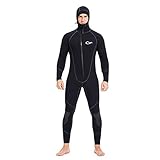
The Wetsuits Men’s Ultra Stretch 7mm Neoprene Wetsuit stands as an ideal choice for divers seeking extensive protection during winter water activities, particularly those who prioritize both thermal insulation and mobility. Constructed from premium stretchy neoprene with elastic nylon fabric, this full-body suit provides thorough defense against marine irritants including sea lice and jellyfish. The front zip design enables easy entry and exit, while the UV protection coating on long sleeves offers sun safety. Reinforced with 4-thread flatlock seams, the wetsuit resists cracking in spite of rigorous use. Particularly, sizing requires careful attention to weight specifications rather than height alone, as Chinese sizing runs approximately two sizes smaller than US measurements.
Best For: Winter water sports enthusiasts and divers who need maximum thermal protection, full-body coverage against marine irritants, and the flexibility to move comfortably in cold water conditions.
Pros:
Cons:
Mares Men’s M-Flex 1mm Neoprene Full Body Scuba Diving Wetsuit
Mares Men’s M-Flex 1mm Neoprene Full Body Scuba Plunging Wetsuit stands out as an excellent choice for snorkelers exploring warm water environments, where thermal protection remains minimal yet flexibility demands remain high. Constructed from premium ultra-stretch neoprene, this one-piece design delivers exceptional mobility and comfort during extended underwater activities. The thin 1mm material provides peak insulation without compromising maneuverability, while its streamlined cut reduces drag and improves hydrodynamic performance. The redesigned sizing accommodates various body types, minimizing gaps and fit issues. A minimalistic aesthetic featuring subdued graphics appeals to performance-focused snorkelers. Whether made domestically or imported, this wetsuit balances functionality with modern design sensibilities.
Best For: Warm water snorkelers and scuba divers seeking a lightweight, flexible wetsuit that provides minimal thermal protection while maximizing mobility and performance.
Pros:
Cons:
Cressi Ladies’ Ultraspan Scuba Diving Wetsuit

Designed specifically for female snorkelers, Cressi’s Ladies’ Ultraspan Scuba Diving Wetsuit combines premium construction with anatomically tailored fits, making it an excellent choice for women seeking reliable thermal protection and mobility during underwater excursions. The one-piece 3mm neoprene design features Ultraspan material on the arms and legs for improved flexibility, while rubberized neoprene reinforces the chest for superior warmth. A dorsal YKK zipper paired with an Aquastop flap minimizes water infiltration. Overlock cuffs secure the wrists and ankles, and reinforced knee panels provide impact protection. Manufactured by Cressi, a heritage brand since 1946, this wetsuit delivers dependable performance across diving, snorkeling, and water sports.
Best For: Women seeking reliable thermal protection and enhanced mobility for snorkeling, diving, and various water sports with anatomically tailored fit.
Pros:
Cons:
Cressi Adult Camouflage Hooded Rash Guard with Neoprene Padded Chest
For adventurers seeking reliable thermal protection without sacrificing mobility, Cressi’s Adult Camouflage Hooded Rash Guard offers a practical solution through its hybrid construction of nylon-spandex fabric paired with a neoprene-padded chest. The 80% nylon and 20% spandex composition provides flexibility and durability, while the 1mm premium neoprene chest padding delivers targeted warmth in vital areas. The integrated hood guarantees head protection during water activities, and anatomically designed cuts improve comfort during extended use. Available in mimetic patterns of blue or green, this rash guard suits windsurfing, scuba diving, and similar pursuits. Designed in Italy by the heritage brand Cressi since 1946, the garment requires hand washing for maintenance. This versatile piece balances thermal benefits with unrestricted movement.
Best For: Water sports enthusiasts and divers who need reliable thermal protection with mobility, particularly those engaging in windsurfing, scuba diving, or similar aquatic activities.
Pros:
Cons:
Mares Men’s M-Flex 7mm Neoprene Full Body Scuba Diving Wetsuit

The ultra-stretch neoprene construction of this full-body wetsuit makes it an excellent choice for scuba swimmers seeking both flexibility and thermal protection in cold water environments. The 7mm thickness provides superior insulation for extended underwater sessions, while the adaptive material contours to various body types, minimizing uncomfortable gaps. Its streamlined design reduces water drag, enhancing overall performance and mobility. The redesigned fit accommodates diverse physiques with precision, combining comfort with functionality. Subtle graphics maintain a modern aesthetic without compromising the suit’s performance-oriented purpose. Made in the USA or imported, this wetsuit represents a reliable option for swimmers prioritizing warmth and comfort during cold-water expeditions.
Best For: Scuba divers and cold-water swimmers seeking a reliable, flexible wetsuit that provides superior thermal protection and reduced drag for extended underwater expeditions.
Pros:
Cons:
Cressi Morea 3 mm Man Monopiece Wetsuits

Versatility and comfort converge in Cressi’s Morea 3mm monopiece wetsuit, making it an excellent choice for snorkelers seeking reliable thermal protection across multiple water sports. Constructed from premium neoprene with Ultraspan material in the arms and legs, this suit provides flexibility crucial for snorkeling, surfing, diving, and paddle boarding. The rubberized chest panel improves warmth retention, while anatomical cuts accommodate various body types. A dorsal YKK zipper with Aquastop flap minimizes water infiltration, complemented by Overlock cuffs at ankles and wrists. Reinforced knees offer durability against impact. Designed in Italy and manufactured in Cambodia, this Cressi offering reflects the brand’s heritage since 1946 in producing quality diving equipment.
Best For: Water sports enthusiasts including snorkelers, surfers, divers, and paddle boarders seeking reliable thermal protection and versatility across multiple aquatic activities.
Pros:
Cons:
Seaskin 3mm Full Body Shorty Wetsuit for Diving and Snorkeling

Explorers and snorkelers seeking reliable thermal protection in moderately cold water will find the Seaskin 3mm Full Body Shorty Wetsuit a practical choice, as its construction prioritizes both insulation and mobility. The suit combines 90% neoprene with 10% nylon, creating a material blend that balances stretchability and heat retention. Its three-layer fabric system features an outer nylon layer for elasticity, middle neoprene for waterproofing, and inner soft skin for warmth. The heavy-duty YKK front zipper facilitates straightforward entry and exit, while flat-lock stitched seams improve durability. Proper sizing, according to Seaskin’s chart, guarantees peak heat retention, with performance improving after several uses as the wetsuit molds to the wearer’s body.
Best For: Explorers and snorkelers seeking reliable thermal protection in moderately cold water who prioritize both insulation and mobility.
Pros:
Cons:
Seaskin 3mm Shorty Wetsuit Full Body Diving Suit
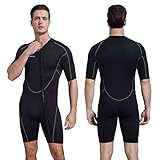
Seaskin’s 3mm Shorty Wetsuit offers women a thorough full-body diving solution, combining practical design with reliable thermal protection for aquatic activities in moderate water temperatures. Constructed from 90% neoprene and 10% nylon, the suit features a three-layer construction: an outer high-elastic nylon fabric, a middle insulation layer for waterproofing and heat retention, and an inner soft close skin for warmth. A heavy-duty YKK front zipper facilitates easy entry and exit, while flat-lock stitched seams improve durability and comfort. The snug fit retains body heat effectively, though it may enhance with extended use. Hand washing in cold water with mild detergent and flat drying preserve the suit’s integrity for long-term performance.
Best For: Women seeking reliable thermal protection for moderate water temperature activities including diving, snorkeling, kayaking, and swimming.
Pros:
Cons:
Factors to Consider When Choosing Wetsuits for Diving
Selecting the right wetsuit requires careful evaluation of multiple technical factors that directly impact comfort, protection, and performance in water. Water temperature determines the necessary thickness, while material quality and stretch capability affect mobility and durability during extended use. Furthermore, proper fit and sizing accuracy, combined with reliable zipper design, effective sealing, and robust seam construction, guarantee the suit maintains its thermal properties and withstands repeated exposure to saltwater and UV conditions.
Water Temperature and Thickness
The foundation of effective thermal protection in plunging rests on matching wetsuit thickness to water temperature, a critical consideration that directly influences both safety and comfort underwater. For warm water exceeding 70°F (21°C), divers benefit from 1mm suits, which provide adequate protection while maximizing flexibility. Temperate conditions between 60°F and 70°F (15°C to 21°C) typically require 3mm to 5mm thickness, balancing thermal insulation with mobility. As water temperature drops, thicker materials become crucial; 7mm wetsuits offer superior heat retention in cold environments, significantly extending safe diving duration and preventing hypothermia. Regional variations and activity length further influence selection, necessitating personalized choices that account for individual tolerance and specific diving conditions.
Material Quality and Stretch
Neoprene quality fundamentally determines how well a wetsuit performs in water, influencing both the swimmer’s mobility and thermal efficiency. Ultra-stretch neoprene, a premium grade option, allows divers to maintain a full range of motion during underwater activities. Beyond neoprene alone, manufacturers often incorporate elastic nylon fabric alongside the core material, which significantly improves both stretchability and durability. High-quality neoprene features superior elastic properties that adapt closely to the body, creating a snug fit that effectively retains warmth while minimizing water entry. Moreover, anatomical cuts and reinforced seams contribute substantially to enhanced fit and long-lasting performance against wear and tear. When selecting a diving wetsuit, prioritizing material quality and stretch capabilities guarantees peak comfort, protection, and longevity in various water conditions.
Fit and Sizing Accuracy
Since wetsuits typically run smaller than standard clothing sizes, accurate sizing becomes a critical factor in selecting appropriate plunging gear. Consulting a size chart guarantees proper fit, which maintains body temperature and prevents water from entering the suit. Body weight significantly influences size selection, as heavier individuals may require adjustments even when height remains consistent. A snug fit is crucial for insulation and buoyancy, creating a seal that keeps water out while allowing necessary movement. Features like flexible neoprene and anatomical cuts improve comfort by minimizing gaps where water might seep in. Trying on wetsuits before purchase helps assess initial tightness and stretchability, confirming the suit accommodates movement without restricting circulation or causing discomfort during extended plunges.
Zipper Design and Sealing
While a snug fit establishes the foundation for thermal protection and water resistance, the zipper system determines how effectively a wetsuit maintains that seal during entry, exit, and extended underwater use. Front zip models offer easier donning and doffing compared to back zip designs, which often require external assistance. Zipper sealing mechanisms, such as Aquastop flaps, minimize water leakage and improve insulation by preventing cold water infiltration. The material surrounding the zipper, typically waterproof or rubberized neoprene, serves as a critical barrier against water entry and supports thermal retention. Heavy-duty zippers constructed from materials like YKK demonstrate superior durability and reliability, resisting wear over extended use. A well-engineered zipper system balances smooth operation with structural integrity, ensuring flexibility without compromising the suit’s protective capabilities.
Durability and Seam Construction
The longevity of a wetsuit depends significantly on how its seams are constructed and reinforced, as these structural elements bear the stress of repeated stretching, compression, and exposure to saltwater and UV rays. Four-thread flatlock stitching represents a superior seam method, allowing seams to stretch without cracking and preventing water leakage. Reinforced seams and overlock cuffs further improve durability by resisting wear and tear during harsh diving conditions. Premium neoprene materials, when paired with high-quality seam construction, substantially boost both durability and thermal insulation capacity. When selecting a diving wetsuit, prioritize options featuring minimal gaps and strong stitching, as these factors directly influence the suit’s lifespan and user comfort. These construction considerations guarantee reliable performance across multiple uses.
Body Coverage and Protection
Beyond the structural integrity provided by quality seams and reinforced stitching, the extent and design of a wetsuit’s body coverage plays a similarly significant role in determining its protective capabilities and thermal effectiveness. Full-length sleeves and legs shield divers from UV rays, physical abrasions, and marine irritants including jellyfish, sea lice, and coral. Strategic anatomical cuts guarantee proper fit, minimizing water entry gaps that compromise warmth retention. Sealed seams and cuffs further prevent water intrusion, maintaining insulation and comfort during extended explorations. Thicker neoprene, such as 7mm thickness, combined with complete body coverage, delivers superior thermal protection vital for cold water environments. Together, these coverage features create extensive protection, allowing divers to focus on their underwater experience with confidence and safety.