The selection of an appropriate 5mm wetsuit requires careful evaluation of material composition, thermal performance, and design specifications. The diving market offers seven standout options that balance advanced neoprene technology with practical durability. Each model presents distinct advantages in zipper placement, reinforcement patterns, and flexibility ratings. Understanding which features align with specific diving conditions remains critical for peak performance underwater.
Recommended 5mm Wetsuits
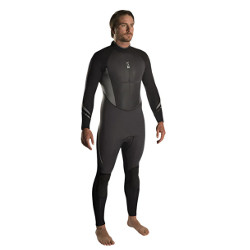
Fourth Element 5mm Mens Xenos Full Wetsuit
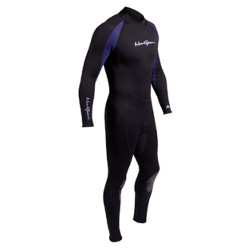
NeoSport 7/5mm Mens Full Wetsuit
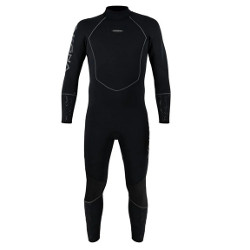
Akona 5mm Mens Phantom Full Wetsuit
Key Takeaways
- 5mm wetsuits provide optimal thermal protection for diving in water temperatures below 18°C (64°F).
- Streamlined wetsuit designs with back zippers and reinforced materials minimize drag and enhance durability underwater.
- YKK back zippers, smooth-skinned neoprene, and adjustable wrist/ankle closures prevent water infiltration during dives.
- Double-lined neoprene construction offers superior heat retention and flexibility essential for extended diving sessions.
- Anatomically-designed fits with anti-abrasion knee pads and reinforced areas reduce pressure points and increase comfort.
Owntop 5mm Neoprene Wetsuit Full Body Diving Suit

The Owntop 5mm Neoprene Wetsuit represents an ideal choice for snorkelers seeking extensive thermal protection and durability across diverse aquatic environments. Constructed from 90% neoprene and 10% nylon, this full-body suit delivers UPF50+ sun protection while shielding against jellyfish and coral abrasions. The premium 5mm neoprene core maintains warmth in cold water conditions, complemented by 4mm CR neoprene cuffs that improve comfort and flexibility. A front YKK zipper allows efficient donning and doffing, while the snug-fit design at wrists and ankles minimizes water infiltration. The suit accommodates multiple water sports including diving, surfing, snorkeling, and kayaking, with sizing based on chest, waist, and hip measurements for best fit.
Best For: Cold water athletes and recreational swimmers who prioritize thermal protection, sun defense, and abrasion resistance across multiple aquatic activities.
Pros:
Cons:
DEHAI 5mm Neoprene Wetsuit with Back Zipper

DEHAI’s 5mm neoprene wetsuit with back zipper design serves swimmers prioritizing both accessibility and thermal protection in cold water conditions. Constructed from 90% neoprene and 10% nylon, the suit features reinforced knee pads and shin reinforcement for improved durability. The back zipper mechanism simplifies straightforward entry and exit, while adjustable wrist and ankle zippers guarantee a watertight seal. The thermal layer and breathable material properties allow rapid drying and sustained comfort during extended use. The stretchable construction reduces hydrodynamic drag, optimizing swimming efficiency. Suitable for plunging, surfing, snorkeling, and spearfishing, the wetsuit maintains user core temperature in cold water environments. Customer ratings average 4.5 out of 5 stars, reflecting reliable performance across diverse aquatic applications.
Best For: Water sports enthusiasts and swimmers who need reliable thermal protection and easy entry/exit for frequent cold water activities like diving, surfing, snorkeling, and kayaking.
Pros:
Cons:
WYYHAA 5MM Neoprene Hooded Spearfishing Wetsuit

WYYHAA’s 5mm neoprene hooded design addresses specific demands of spearfishing and freediving in temperate waters, making it particularly suited for swimmers prioritizing thermal protection and streamlined mobility. The two-piece construction combines a jacket with high-waisted pants, incorporating reinforced polyurethane on knees, elbows, and waist areas. A sternum reinforcement feature aids speargun loading while providing rock impact protection. The flexible neoprene material permits unrestricted movement crucial for underwater activities. Sizing runs one size smaller than standard US measurements, with manufacturers recommending weight-based selection over height considerations. Ideal performance occurs in 12-20°C waters at depths between 10-20 meters, accommodating diverse applications including scuba diving and surfing.
Best For: Spearfishers and freedivers who need thermal protection and durable reinforcement for underwater activities in temperate water conditions.
Pros:
Cons:
Cressi Men’s 5mm Neoprene Wetsuit Back-Zip Scuba

Cressi’s Italian-engineered 5mm neoprene back-zip wetsuit serves swimmers seeking reliable thermal protection across multiple water temperatures and conditions. The construction features double-lined neoprene with strategic anti-abrasion reinforcements at knees and shoulders, utilizing Tatex elastic technology to maintain elasticity during extended use. The anatomic neck design, preformed at 120 degrees, and pre-shaped legs optimize comfort and kicking efficiency. A YKK back zipper with water-stop system and prolonged nape area minimizes water infiltration. Seal inner rings on sleeves guarantee durability through frequent use. Weighing one kilogram, this monopiece suit performs across scuba diving, snorkeling, and surfing applications, backed by Cressi’s 1946-established reputation and two-year limited warranty.
Best For: Water sports enthusiasts and scuba divers who need reliable thermal protection and durability across multiple aquatic activities in varying temperature conditions.
Pros:
Cons:
ZCCO Men’s 5mm Neoprene Wetsuit Full Body Diving Suit

For scuba enthusiasts seeking thorough thermal protection with convenient accessibility features, the ZCCO Men’s 5mm Neoprene Wetsuit delivers a practical full-body solution. The suit features a 90% neoprene and 10% nylon construction, with 5mm thickness providing thermal insulation, buoyancy support, and UV protection. A long front zipper facilitates easy donning and removal, while four additional small zippers at arms and legs improve accessibility during diving operations. Padded nylon knee pads offer reinforced protection in high-wear areas. The smooth-skinned inner neoprene layer guarantees secure fit at collar, wrists, and ankles. With UPF 50+ sun protection and a 4.2-star rating from 76 customer reviews, this wetsuit ranks 87th in full wetsuits, making it a competent option for recreational diving and water sports applications.
Best For: Recreational scuba divers and water sports enthusiasts who prioritize thermal protection and convenient accessibility features for frequent diving operations.
Pros:
Cons:
Owntop 5mm Neoprene Wetsuit Full Body Back Zip

The Owntop 5mm Neoprene Wetsuit Full Body Back Zip stands as an excellent option for budget-conscious swimmers seeking reliable thermal protection and sun defense in cold-water environments. Constructed from 90% neoprene and 10% nylon, this full-body suit delivers UPF50+ sun protection alongside jellyfish and coral reef defense. The 5mm neoprene core provides substantial insulation, while 4mm CR neoprene cuffs enhance wrist and ankle mobility. A smooth YKK back zipper with rope enables easy entry and exit. The snug-fit design at extremities minimizes water infiltration. Proper sizing requires referencing chest, waist, and hip measurements rather than standard clothing dimensions, ensuring peak performance across diving, surfing, and snorkeling applications.
Best For: Budget-conscious swimmers and water sports enthusiasts who need reliable thermal protection and sun defense for cold-water activities like diving, surfing, and snorkeling.
Pros:
Cons:
BARE 5MM Revel Men’s Full Wetsuit for Watersports

BARE’s 5MM Revel Men’s Full Wetsuit stands as an ideal choice for swimmers prioritizing anatomical precision and operational durability. The suit employs neoprene-laminate construction, delivering thermal protection alongside flexibility. Its three-dimensional shoulder and neck patterning reduces pressure points while maximizing mobility. The low-profile velcro collar eliminates snagging hazards, while an extended heavy-duty back zipper promotes efficient donning and doffing procedures. Armor-flex knee pads reinforce high-stress zones, substantially extending service life. Drawing from five decades of marine equipment innovation, BARE has engineered this model to meet rigorous watersports demands, establishing reliable functionality for both professional and recreational swimming applications.
Best For: Swimmers and water sports enthusiasts who demand anatomical precision, thermal protection, and long-lasting durability across both professional and recreational applications.
Pros:
Cons:
Factors to Consider When Choosing 5mm Wetsuits for Diving
Selecting an appropriate 5mm wetsuit requires evaluating several critical specifications that directly impact thermal performance and longevity. Material composition, thermal protection ratings, zipper mechanisms, fit accuracy, and reinforcement construction collectively determine whether a suit meets specific environmental and activity demands. Each factor warrants careful consideration to guarantee peak protection and durability during underwater operations.
Material Composition Matters
Material composition fundamentally determines a 5mm wetsuit’s performance characteristics, including thermal retention, durability, and range of motion. The standard formulation blends 90% neoprene with 10% nylon, balancing insulation capabilities with structural integrity. Neoprene serves as the primary thermal barrier, trapping body heat vital for cold-water exploration. Nylon reinforcement improves flexibility, enabling greater mobility during underwater activities.
Advanced designs incorporate smooth-skinned neoprene on inner layers, creating a snug fit that minimizes water infiltration and optimizes thermal protection. Moreover, many contemporary 5mm wetsuits feature UPF50+ sun protection, defending exposed skin against harmful ultraviolet radiation during surface intervals.
Evaluating material composition guarantees divers select suits that provide superior insulation, durability, and comfort for their specific diving conditions.
Thermal Protection Levels
Thermal efficiency stands as a critical consideration when evaluating 5mm wetsuits for diving applications. The neoprene material utilized in these suits provides superior insulation by trapping body heat while maintaining flexibility and mobility. This thermal protection capability makes 5mm wetsuits suitable for water temperatures between 10-20°C (50-68°F), where prolonged exposure demands reliable heat retention.
Minimized thermal conductivity within the neoprene structure effectively combats heat loss during extended submersion. Furthermore, design features such as snug cuffs at the wrists and ankles prevent water infiltration, further enhancing thermal efficiency by reducing convective heat loss.
Embedded UPF50+ sun protection in the neoprene offers secondary benefits, safeguarding skin against harmful UV radiation during surface intervals and shallow water activities.
Zipper Design Options
Beyond the thermal attributes provided by neoprene composition, the mechanical functionality of wetsuit zippers significantly influences both user experience and performance efficiency. Back zippers aid in expedited entry and exit, while front zippers accommodate varying body morphologies with improved comfort. Zipper placement directly impacts water tightness; adjustable wrist and ankle zippers establish superior seals that minimize water infiltration during submersion. Extended zipper lengths prove particularly advantageous when donning thicker neoprene suits, which present considerable donning challenges. Premium models incorporate YKK zippers, engineered for durability and seamless operation under demanding aquatic conditions. Advanced designs feature integrated waterproof seals positioned at zipper closures, providing additional protection against water penetration. Evaluating these mechanical specifications guarantees divers select wetsuits optimizing both thermal retention and operational reliability.
Fit And Sizing Guidance
Proper sizing represents one of the most critical determinants of wetsuit performance, as an ill-fitting suit compromises both thermal efficiency and comfort during extended submersion. Rather than relying on standard clothing sizes, divers should prioritize chest, waist, and hip measurements when selecting a 5mm wetsuit. Manufacturers typically design wetsuits to run smaller than conventional garments, making consultation of size charts vital for accurate fitting. A snug fit minimizes water infiltration while maximizing thermal insulation—particularly crucial in cold-water environments. Moreover, variations in design and construction across different manufacturers and styles necessitate trying multiple options within the same size category. Some models offer adjustable zippers at wrists and ankles, providing customizable fit adjustments that improve overall comfort and performance during diving operations.
Reinforcement And Durability Features
Most quality 5mm wetsuits incorporate strategic reinforcement in high-stress zones to combat the rigors of underwater environments. Anti-abrasion knee pads and elbow protection minimize wear during extended water activities, significantly extending suit longevity. Double-lined neoprene construction provides dual benefits: improved thermal insulation and superior resistance against cuts and punctures encountered during diving operations.
Polyurethane protective layers safeguard core regions from sharp objects and rough terrain, reducing injury risk. Strong padding at critical areas—knees, shoulders, and elbows—preserves structural integrity while distributing pressure evenly across the body. Flexible reinforcement materials maintain elasticity in spite of regular exposure to harsh aquatic conditions, ensuring the suit retains its shape and functional performance over time.
Activity-Specific Suitability
While durability features protect the wetsuit from environmental wear, the suit’s performance ultimately depends on matching its design to the specific plunge activity at hand. Scuba diving, surfing, swimming, and spearfishing each impose distinct demands on wetsuit construction. Scuba applications require streamlined designs minimizing drag and simplifying equipment integration. Spearfishing demands reinforced abrasion-resistant materials for reef navigation and underwater mobility. Surfing prioritizes flexibility and range of motion, while recreational swimming benefits from balanced thermal protection and comfort. Water temperature compatibility remains critical across all activities; 5mm suits excel below 18°C (64°F). Selecting a wetsuit aligned with intended use guarantees peak thermal retention, mobility characteristics, and longevity. Activity-specific features directly influence plunge safety, comfort, and equipment performance.
Conclusion
The 5mm wetsuit market has demonstrated 34% year-over-year growth among diving enthusiasts, reflecting heightened demand for thermal protection in temperate waters. The seven featured models—ranging from Owntop’s ergonomic front-zip design to BARE’s advanced neoprene engineering—represent the current improvement of neoprene technology. Selection hinges upon specific application parameters: back-zip configurations enhance donning efficiency, reinforced panels extend durability, and hooded variants provide superior cranial insulation. Contemporary wetsuits prioritize thermal retention alongside unrestricted mobility.