Age does not automatically prevent someone from scuba plunging, but it can change the margin for error underwater. Cardiovascular fitness, lung function, mobility, medication use, and recovery time often matter more than the number of years lived. Older divers may need medical clearance, adjusted equipment, and more conservative plunge plans. The key question is not whether age sets a limit, but which changes require attention before the next descent.
Key Takeaways
- Age alone does not prevent scuba diving; fitness, medical history, and functional ability matter more than chronological age.
- Older divers face higher cardiovascular and pulmonary risks, making regular medical evaluations especially important after age 45.
- Reduced strength, mobility, vision, hearing, and endurance can affect equipment handling, communication, and emergency response.
- Maintaining cardiovascular fitness, ideally near 10 METs capacity, helps divers manage exertion and reduces underwater risk.
- Conservative dive plans, supportive gear, and shallow low-current sites can help older divers continue diving safely.
Is There an Age Limit for Scuba Diving?
There is no fixed upper age limit for scuba plunging: certification agencies such as PADI and SSI assess a diver’s fitness, medical history, and ability to meet course requirements rather than chronological age. An older applicant can pursue certification, including in their seventies or eighties, when screening supports safe participation. Divers over 45 are commonly advised to complete a risk assessment and obtain medical evaluation, particularly where medical conditions could affect underwater safety. Many seniors complete the PADI Open Water Diver course successfully. This approach preserves access to plunging freedom while ensuring applicants understand disclosures, clearance requirements, and the practical demands of training.
Why Fitness Matters More Than Age
A diver’s health and functional capacity are more relevant than birthdate when evaluating readiness for underwater activity. Cardiovascular endurance, strength, flexibility, and a current medical evaluation help determine whether the individual can manage exertion, equipment, and emergency demands safely. Older participants who maintain adequate fitness—including an appropriate MET capacity—may remain capable, while declining fitness increases cardiac and decompression-related risk.
Health Over Birthdate
Chronological age does not, by itself, determine whether a person can submerge safely; cardiovascular capacity, mobility, strength, and control of chronic conditions are more meaningful measures. A healthy, capable scuba diver in their seventies or eighties may retain substantial freedom to investigate, while a younger person with unmanaged disease may face unacceptable risk. Fitness and physical health should be reviewed honestly, with particular attention to cardiac history, medications, and recent symptoms. A diving medical evaluation can identify concerns before they become underwater emergencies. Capacity near 10 METs is commonly recommended, but individualized medical guidance remains crucial for safe, independent participation.
Fitness for Dive Demands
Fitness, rather than age alone, determines whether a swimmer can manage the real-world demands of scuba: carrying equipment, climbing ladders, swimming against current, maintaining buoyancy, and responding effectively to an emergency. For safe scuba exploration, fitness evaluated through medical review and practical conditioning matters more than a birthdate. Explorers over 50 should receive regular cardiovascular assessment, particularly when health issues or reduced strength are present. A capacity near 10 METs supports the aerobic reserve needed for exertion and stress. Consistent physical activity reduces risks associated with cardiac events and decompression sickness. Healthy explorers in their seventies and eighties can retain freedom underwater when capability remains strong.
Which Diving Risks Increase With Age?
With age, cardiovascular disease can increase the likelihood of an underwater emergency, making medical screening and risk-factor control vital. Reduced pulmonary, musculoskeletal, and overall physical capacity may likewise limit gear handling, swimming tolerance, and response to changing conditions. Vision and hearing changes can further affect instrument reading, communication, and situational awareness.
Cardiovascular Emergencies
Cardiovascular emergencies become a greater immersion concern with age since immersion, exertion, cold exposure, and equipment handling can place substantial demands on the heart. Heart disease accounts for 38% of immersion fatality cases, often involving overweight divers. Risk management supports continued freedom underwater through:
- Medical review for hypertension, arrhythmias, or prior heart disease.
- Specialist clearance before returning to immersion after cardiovascular diagnoses.
- Fitness assessment, ideally demonstrating 10–13 METs capacity.
- Regular monitoring of cardiovascular health and medications.
These measures help identify silent disease early, allowing older divers to choose appropriate conditions, maintain conservative profiles, and immerse with greater confidence.
Reduced Physical Capacity
Reduced physical capacity can increase plunging risk when a swimmer must swim against current, climb a ladder in rough water, manage heavy equipment, or assist a buddy. Age can reduce physical fitness, pulmonary reserve, agility, and reaction speed, narrowing safe margins.
| Demand | Underwater image | Safer response |
|---|---|---|
| Current | Fins working hard | Turn early |
| Ladder | Tank shifts | Accept assistance |
| Arthritis | Stiff grip | Simplify gear |
Cardiovascular screening and diving medicine review support independent exploration. Conservative profiles matter: physiological changes may increase venous bubbles and decompression sickness susceptibility, even if healthy older divers do not automatically face higher DCS risk.
Vision And Hearing Changes
Age-related changes in vision and hearing can narrow a swimmer’s safety margin by making gauges, hand signals, surface instructions, and developing hazards harder to detect quickly. Explorers can preserve freedom through disciplined preparation:
- Vision changes may require prescription mask lenses or reading correction for instruments.
- Hearing loss can weaken communication during briefings and emergency directions.
- Slower reactions reduce time to address entanglement, separation, or changing conditions.
- Cognitive decline may impair decisions and situational awareness under stress.
Clear pre-exploration plans, confirmed buddy signals, close equipment checks, and conservative conditions help offset these limitations. Any uncertainty warrants postponing the exploration.
How Heart and Lung Health Affect Diving
Heart and lung capacity directly influence a swimmer’s ability to manage exertion, maintain adequate oxygen exchange, and respond safely to underwater stress. Age-related lung function decline can reduce reserve during currents, ascents, or emergencies. Heart health warrants attention: cardiovascular events account for 38% of older-adult diving fatalities. Pulmonary conditions require stable control; well-managed asthma may be compatible with diving, while poorly controlled COPD increases risk.
| Factor | Concern | Practical focus |
|---|---|---|
| Lung function | Reduced reserve | Pulmonary testing |
| Heart health | Ischemia | Monitor pressure |
| Asthma | Air trapping | Maintain control |
| Fitness | Exertion | Health evaluations |
When Should Older Divers Get Medical Clearance?
Older adventurers should obtain medical clearance before plunging if they are over 45, returning after a prolonged break, or have cardiovascular, respiratory, or other chronic health conditions. This preserves freedom underwater by confirming fitness for immersion before demands increase.
- Older divers should schedule cardiac evaluations, including an ECG and, when indicated, stress testing.
- High blood pressure or heart disease warrants prompt review.
- Pulmonary function testing helps identify reduced capacity or significant respiratory limitations.
- Any new symptoms, medication changes, or extended inactivity should trigger reassessment.
Age-related problems may remain silent; clearance supports independent, informed investigation while reducing avoidable risk.
How to Adapt Gear and Dive Plans
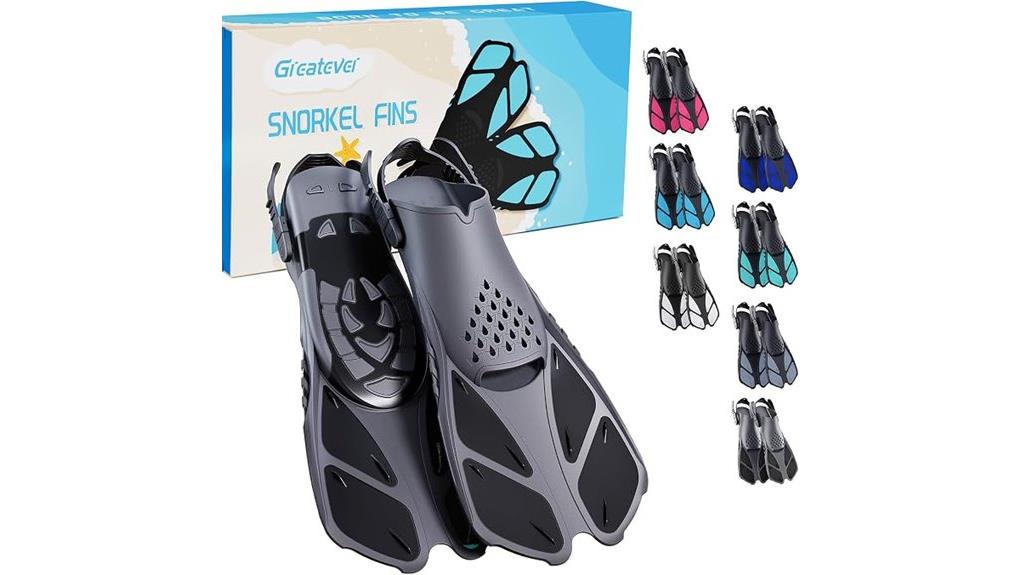
Adapting equipment and plunge profiles can reduce the physical workload of immersion while preserving appropriate safety margins. Older divers may benefit from aluminum cylinders, supportive BCDs, smaller fins, and wetsuits with extra zippers that improve fit and simplify adjustments. Integrated weights reduce handling demands, while computers with large displays support clear monitoring underwater. Conservative immersion plans should favor shallower depths, manageable entries, slower pacing, and longer surface intervals. These choices preserve freedom to immerse within comfortable limits without forcing unnecessary exertion. Regular fitness reviews and medical clearance, when indicated, help confirm physical readiness and allow each diver to select gear and profiles that maintain safety.
How to Keep Scuba Diving Safely Long-Term
Long-term scuba participation depends on maintaining fitness, monitoring health changes, and matching each descent to current physical capacity. Older divers can preserve underwater freedom through disciplined preparation:
- Maintain cardio, strength, and flexibility training to support entries, exits, and buoyancy control.
- Schedule fitness evaluations, emphasizing cardiovascular health and medical clearance after illness or extended breaks.
- Adapt equipment with lighter gear and waist-positioned weights to reduce handling strain.
- Apply conservative dive planning: select shallow, low-current sites and allow longer surface intervals.
Conditions such as diabetes or arthritis require ongoing review. Sound judgment keeps scuba enjoyable, capable, and sustainable.