Scuba plunging during pregnancy is not recommended by any major plunge organization, including PADI, NAUI, and DAN. No established safe depth or plunge profile exists for pregnant women, as pregnancy-related physiological changes make standard decompression tables unreliable. Nitrogen bubbles pose a direct threat to fetal circulation, and decompression sickness carries heightened risks for both mother and baby. The theoretical dangers consistently outweigh any recreational benefit — and there is considerably more every pregnant plunger should understand before entering the water.
Key Takeaways
- PADI, NAUI, and DAN all advise against scuba diving during pregnancy, regardless of diver experience level or trimester.
- Pregnancy-related circulatory changes make standard dive tables unreliable, increasing the risk of decompression sickness.
- Nitrogen bubbles can block placental blood vessels, potentially causing fetal developmental abnormalities or death.
- No safe depth or dive profile has been established for pregnant divers, making all scuba diving inadvisable.
- Safer alternatives include surface snorkeling, swimming, and prenatal water aerobics, following medical consultation beforehand.
What Dive Organizations Actually Recommend About Diving While Pregnant
Major scuba immersion organizations—including PADI, NAUI, and the Divers Alert Network (DAN)—uniformly advise pregnant women to refrain from scuba immersion for the duration of their pregnancy. These safety guidelines exist due to current research that cannot confirm fetal safety under hyperbaric conditions. DAN explicitly states that no established safe depth or immersion profile exists for pregnant divers. PADI and NAUI echo this position within their diver training materials, recommending temporary cessation regardless of how experienced the diver is. While diver experiences vary widely, organizational consensus remains consistent: the theoretical risks to fetal development outweigh any recreational benefit. Pregnant divers retain full autonomy over personal decisions, but these recommendations reflect the most current understanding of decompression physiology and fetal vulnerability under pressure.
What Happened If You Were Scuba Diving Before Knowing You Were Pregnant?
One of the most common concerns among newly pregnant snorkelers is accidental exposure—specifically, having completed one or more excursions before a pregnancy was confirmed. Unexpected exposure during early pregnancy stages is documented, yet outcomes vary depending on the pregnancy timeline and immersion conditions.
Consider these four key factors when evaluating risk:
- Gestational age at the time of immersing determines fetal developmental vulnerability.
- Immersion depth and duration influence nitrogen exposure levels transferred to fetal tissue.
- Number of excursions completed before confirmation affects cumulative exposure risk.
- Decompression profile determines whether nitrogen saturation exceeded safe physiological thresholds.
Consulting an OB-GYN and immersion medicine specialist immediately remains the recommended course of action. Most early accidental exposures result in no confirmed adverse outcomes, though professional evaluation provides critical individualized clarity.
How Pregnancy Alters Blood Volume, Circulation, and Dive Risk
Pregnancy fundamentally restructures maternal physiology, producing cardiovascular changes that directly amplify decompression risk. Blood volume increases by approximately 40–50%, while circulation changes redistribute flow toward the uterus and placenta. Blood pressure fluctuates unpredictably, complicating safe ascent calculations. These shifts alter nitrogen absorption and off-gassing rates, making standard decompression tables unreliable for pregnant swimmers.
The fetal circulatory system lacks the pulmonary filter adults rely on to trap nitrogen bubbles before they enter arterial circulation. Any bubble formation poses catastrophic risk to fetal development. Furthermore, hormonal changes increase joint laxity and fatigue, reducing a swimmer’s ability to respond decisively to emergencies. These compounding physiological factors eliminate any reasonable safety margin, making swimming during pregnancy a risk no certification agency endorses.
The Risks of Decompression Sickness During Pregnancy
Decompression sickness (DCS) presents heightened dangers during pregnancy since the physiological changes of gestation compromise the body’s ability to safely eliminate dissolved nitrogen following a plunge. Pregnancy adaptation fundamentally disrupts decompression physiology, creating compounding hazards:
- Nitrogen bubble formation can obstruct placental blood vessels, cutting oxygen delivery to the developing fetus.
- Reduced venous return from an expanding uterus slows nitrogen offgassing, extending tissue saturation windows dangerously.
- Hormonal-driven circulation shifts redistribute blood preferentially toward the uterus, leaving peripheral tissues more vulnerable to bubble nucleation.
- Fetal circulation lacks the filtering capacity of mature pulmonary vasculature, meaning arterial gas emboli travel unchecked through developing organ systems.
These cascading risks make DCS during pregnancy particularly unforgiving, with consequences extending well beyond the mother alone.
How Nitrogen Bubbles Can Harm a Developing Baby
When a pregnant woman ascends too rapidly during a scuba plunge, dissolved nitrogen in the bloodstream forms bubbles that can obstruct blood flow to the fetus. The fetal circulatory system lacks the physiological mechanisms necessary to filter or off-gas these nitrogen bubbles efficiently, making the developing baby particularly vulnerable to arterial gas embolism. Such obstructions can disrupt oxygen delivery to fetal tissues, potentially causing developmental abnormalities, neurological damage, or fetal death.
Nitrogen Bubble Formation Risks
Nitrogen bubble formation poses one of the most serious threats to fetal health during scuba exploration. Unlike adult physiology, fetal circulation lacks mechanisms to filter nitrogen bubbles, making decompression principles critically important. Bubble dynamics within fetal tissue operate differently, creating unpredictable injury patterns.
Four documented risks include:
- Arterial gas embolism — bubbles blocking vital fetal blood vessels, restricting oxygen delivery
- Central nervous system damage — nitrogen bubbles penetrating developing neural tissue, causing permanent neurological injury
- Placental disruption — bubble formation within placental vasculature, compromising nutrient and oxygen exchange
- Fetal decompression sickness — systemic bubble distribution throughout undeveloped organ systems, triggering cascading physiological failure
Medical evidence consistently demonstrates that no safe depth threshold exists for pregnant explorers, making complete avoidance the only responsible choice.
Fetal Development Complications
Beyond the mechanical risks of bubble formation, the biological consequences for fetal development represent a distinct and severe category of concern. Nitrogen bubbles entering fetal circulation can obstruct placental blood flow, depriving developing tissues of oxygen and crucial nutrients. Unlike adult physiology, fetal systems lack the pulmonary filtration mechanisms capable of clearing embolic material effectively.
The prenatal risks extend to neurological damage, organ malformation, and spontaneous miscarriage. Fetal health remains particularly vulnerable since developmental stages involve rapid cellular differentiation — processes acutely sensitive to hypoxic disruption. Animal studies consistently demonstrate increased fetal mortality and structural abnormalities following maternal decompression exposure.
Medical authorities universally advise against diving during pregnancy precisely since no safe pressure threshold for fetal nitrogen exposure has been scientifically established.
Is There a Safe Trimester for Scuba Diving While Pregnant?
Many pregnant women wonder whether certain trimesters carry lower risks for scuba immersion than others, but current medical consensus indicates that no trimester is considered safe for immersion during pregnancy. Trimester timing does not eliminate fetal vulnerability to pressure-related complications, and maternal health remains consistently at risk throughout all gestational stages.
- First trimester — Critical organ formation occurs while decompression bubbles threaten embryonic tissue.
- Second trimester — Increased blood volume amplifies nitrogen absorption risks within expanding fetal circulation.
- Third trimester — Reduced maternal lung capacity severely limits oxygen exchange under pressure.
- Post-diagnosis pregnancy — Unconfirmed pregnancies during recreational immersions expose fetuses before protective measures begin.
Medical organizations, including DAN (Divers Alert Network), universally advise complete abstinence from scuba immersion throughout all pregnancy stages.
What to Tell Your Doctor If You’re a Diver Who’s Pregnant
Since no trimester offers a safe window for scuba immersion, pregnant snorkelers carry a specific medical responsibility to disclose their diving history to their obstetric provider at the earliest opportunity. A thorough medical evaluation allows the provider to assess prior exposure risks, including snorkel frequency, depth, and any decompression incidents before pregnancy was confirmed. Snorkelers should communicate honestly about recent excursions, equipment used, and planned snorkel travel. Concealing this information compromises clinical decision-making and potentially endangers fetal development. Providers may coordinate with hyperbaric medicine specialists when the snorkeling history reveals high-risk exposures. Transparent communication between patient and provider remains the foundation of informed prenatal care, empowering both parties to make medically sound decisions that protect maternal and fetal health throughout the pregnancy.
Can Snorkeling or Freediving Replace Scuba Diving While Pregnant?
For pregnant women who wish to remain active in aquatic environments, snorkeling is typically considered a safer alternative to scuba diving, as it eliminates exposure to pressurized gas and the associated risks of decompression sickness affecting the fetus. Nonetheless, snorkeling carries its own pregnancy-related concerns, including physical exertion, overheating, and the risk of falls during entry and exit from the water. Freediving, in spite of involving breath-hold rather than compressed air, presents significant dangers during pregnancy, as repetitive apnea cycles can induce hypoxia and fluctuating intrathoracic pressures that may compromise uteroplacental blood flow.
Snorkeling Safety During Pregnancy
Pregnant women who miss the water often consider snorkeling or freediving as safer alternatives to scuba diving, and while these activities carry fewer risks, they are not entirely without concern during pregnancy. Key safety considerations include:
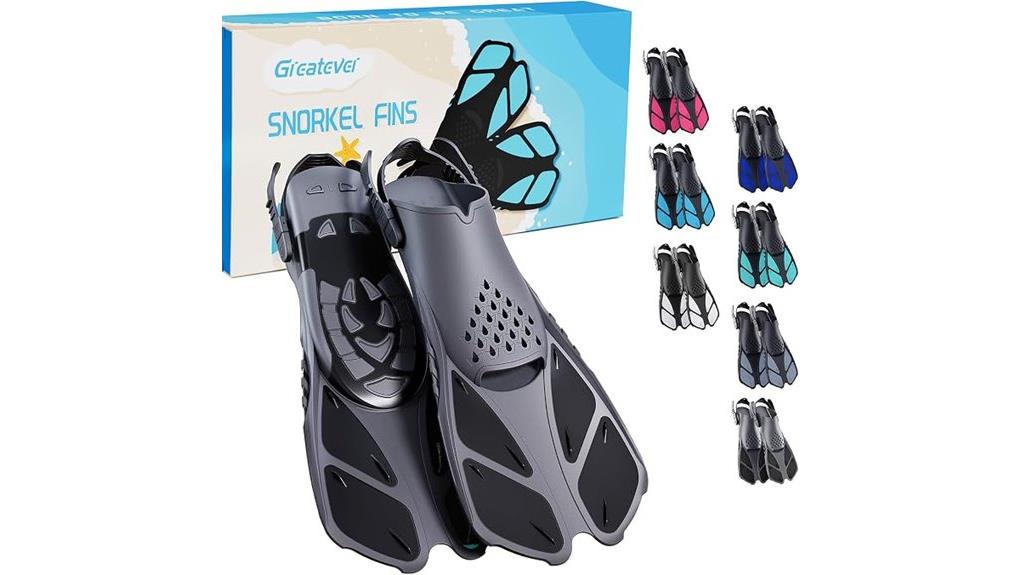
- Snorkeling equipment fit matters — masks and vests should accommodate a growing belly without restricting circulation.
- Swimming techniques must be modified, avoiding vigorous flutter kicks that strain abdominal muscles.
- Surface conditions should be calm; strong currents or rough surf create unnecessary physical stress on mother and fetus.
- Breath-holding during freediving reduces oxygen availability, potentially compromising fetal circulation even briefly.
Physicians commonly consider snorkeling lower-risk than scuba, but pregnant women should consult their obstetrician before entering open water regardless of the activity chosen.
Freediving Risks When Pregnant
While snorkeling presents fewer physiological hazards than scuba diving during pregnancy, freediving introduces a distinct risk profile that warrants separate examination. Freediving techniques involving breath-holding create hypoxic conditions that may compromise fetal oxygen supply. Health considerations include reduced uterine blood flow, shallow water blackout risk, and pressure-induced complications.
| Risk Factor | Freediving Impact | Pregnancy Concern |
|---|---|---|
| Hypoxia | Oxygen depletion | Fetal distress |
| Breath-holding | Vagal response | Reduced circulation |
| Depth pressure | Barotrauma risk | Placental stress |
| Blackout risk | Consciousness loss | Drowning hazard |
Medical consensus strongly discourages freediving throughout pregnancy. The temporary freedom of underwater exploration carries disproportionate risks to fetal development and maternal safety, making cessation the only responsible recommendation until postpartum medical clearance is obtained.
Diving-Adjacent Activities That Are Safe During Pregnancy
Snorkeling near the surface offers pregnant women a way to enjoy the underwater environment without the physiological risks associated with pressurized breathing gas, decompression stress, or nitrogen loading. Several water sports and aquatic exercise options remain accessible throughout most of pregnancy:
- Surface snorkeling — floating face-down, observing marine life at shallow depths without breath-hold diving
- Prenatal water aerobics — low-impact aquatic exercise reducing joint strain while maintaining cardiovascular fitness
- Calm-water kayaking — gentle paddling across open water, maintaining connection to aquatic environments safely
- Swimming laps in controlled pool environments — structured movement supporting circulation and muscle conditioning
These alternatives preserve physical engagement with water while eliminating compression-related fetal risks. Medical consultation remains crucial before commencing any activity during pregnancy.
When Can You Safely Return to Scuba Diving After Birth?
After childbirth, how soon a woman can safely return to scuba exploration depends on several intersecting physiological factors, including the mode of delivery, postpartum healing status, and whether she is breastfeeding.
| Delivery Type | Recommended Wait Before Returning Safely |
|---|---|
| Vaginal delivery | Minimum 3–4 weeks postpartum |
| Cesarean section | Minimum 6–8 weeks postpartum |
| Complications present | Physician clearance required regardless of timeline |
Postpartum exploration carries unique risks, including compromised core stability, hormonal-driven joint laxity, and potential wound integrity concerns during pressurized descent. Breastfeeding divers should additionally consider nitrogen saturation transfer through breast milk, though research remains limited. Consulting a dive-certified physician before resuming postpartum exploration remains the most reliable path toward reclaiming underwater freedom without compromising recovery.