Scuba explorers face a critical decision when selecting sunscreen: balancing personal UV protection with marine ecosystem preservation. Traditional formulations contain oxybenzone and octinoxate, chemicals that bleach coral and harm aquatic life. As diving destinations increasingly enforce reef-safe mandates, understanding which products deliver adequate protection without environmental compromise becomes crucial. The following analysis examines leading options that meet both requirements.
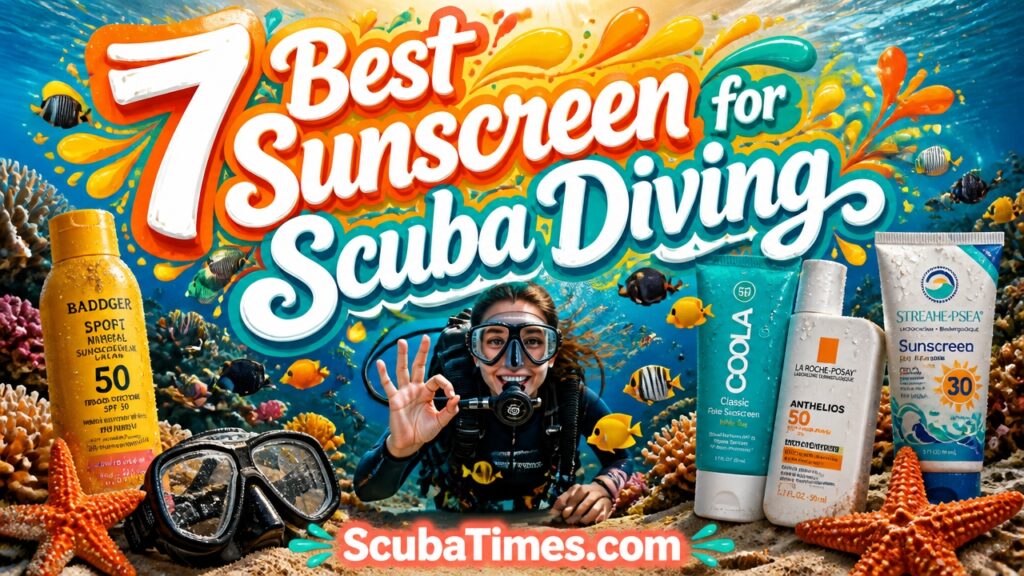
Recommended Sunscreen for Scuba Diving


Key Takeaways
- Reef-safe formulations with mineral-based ingredients like zinc oxide protect coral ecosystems while providing effective UV protection.
- Water-resistant sunscreens lasting at least 80 minutes maintain UV coverage during extended dives and water activities.
- SPF 50+ broad-spectrum protection offers enhanced defense against sunburn during prolonged sun and water exposure.
- Hypoallergenic, non-greasy formulas prevent pore obstruction and skin irritation from saltwater immersion and extended wear.
- Specialized sting-blocking sunscreens combine jellyfish protection with UV defense, ideal for snorkelers in jellyfish-prone areas.
SAFE SEA Jellyfish Sting-Blocking Sunscreen SPF 50
SAFE SEA Jellyfish Sting-Blocking Sunscreen SPF 50+ represents an ideal solution for snorkelers operating in waters populated by jellyfish and sea lice. This travel-sized formulation (3.4 oz) combines SPF 50+ broad-spectrum protection with proprietary sting-blocking chemistry, addressing dual exposure risks. The water-resistant formula maintains efficacy during extended submersion, reducing reapplication frequency. Scientists engineered the paraben-free, hypoallergenic composition for sensitive skin compatibility while maintaining hydrating properties. Environmental considerations include biodegradability and elimination of oxybenzone and octinoxate—constituents harmful to coral ecosystems. The product’s marine-safe profile protects both dermal and aquatic environments. Endorsed by world-record athletes and featured in major media outlets, SAFE SEA demonstrates proven effectiveness for professional and recreational diving applications.
Best For: Snorkelers, swimmers, and divers seeking protection against jellyfish and sea lice stings while maintaining broad-spectrum UV defense in marine environments.
Pros:
Cons:
Coral Isles Reef-Safe Sunscreen SPF 50

Coral Isles Sunscreen SPF 50 addresses the critical protection requirements of snorkelers operating in sensitive marine ecosystems. This formulation complies with the Hawaii Reef-Safe Act, excluding octinoxate and oxybenzone—chemicals known to damage coral reefs. The broad-spectrum protection shields against UVA and UVB radiation, mitigating premature aging and sunburn risk while reducing skin cancer incidence. Its hypoallergenic composition accommodates all skin types, including sensitive dermatological profiles. The non-greasy, breathable formula guarantees comfort during extended water exposure. With 80 minutes of water resistance, reapplication every two hours maintains efficacy. Available in multiple sizes—2, 6, 16, and 32 fluid ounces—this sunscreen balances personal protection with environmental stewardship, making it practical for recreational diving operations.
Best For: Snorkelers, divers, and water sports enthusiasts who prioritize both personal sun protection and environmental conservation in sensitive marine ecosystems.
Pros:
Cons:
STREAM 2 SEA SPF 30 Biodegradable Mineral Sunscreen

STREAM 2 SEA SPF 30 Biodegradable Mineral Sunscreen excels for swimmers who require both dermatological compatibility and environmental stewardship during extended water exposure. The formulation delivers broad-spectrum UVA/UVB protection via mineral actives while maintaining biodegradability, safeguarding coral ecosystems. Water-resistant protection sustains up to 80 minutes, accommodating active plunging sessions. The non-greasy, quick-absorbing composition prevents eye irritation—a critical consideration underwater. Mineral sunscreens characteristically leave white cast; application techniques lessen this through hydration pre-treatment and minimal quantity usage. Manufactured domestically in eco-conscious sugarcane resin packaging, this product balances occupational safety requirements with marine conservation principles, making it strategically suited for reef-conscious divers prioritizing skin protection without environmental compromise.
Best For: Swimmers and divers seeking reef-safe sun protection with minimal environmental impact during extended water activities.
Pros:
Cons:
WATERMAN’S Hydro Lite SPF 55 Reef Safe Sunscreen
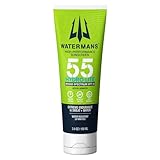
For adventurers requiring extended underwater protection without compromising marine ecosystems, WATERMAN’S Hydro Lite SPF 55 delivers oxybenzone-free, broad-spectrum defense compliant with Hawaii Act 104. The patented AQUA-ARMOR formula prevents saltwater runoff into eyes, critical during underwater operations. SPF 55 provides superior UVA/UVB protection endorsed by the American Academy of Dermatology. Its lightweight composition absorbs quickly without white residue or pore-clogging residue, maintaining visibility and comfort during extended excursions. Water-resistant for eight hours and sweatproof, the fragrance-free formulation suits all skin types. At 3.4oz, the compact size fits efficiently into gear while delivering reliable protection across diving, snorkeling, and surface intervals.
Best For: Athletes and adventurers engaged in water sports and outdoor activities who need reliable, eco-conscious sun protection that won’t harm marine environments.
Pros:
Cons:
Safe Sea Zinc Oxide Sunscreen SPF30 Reef Safe (2-Pack)

Safe Sea Zinc Oxide Sunscreen SPF30 represents an ideal choice for snorkelers with sensitive skin seeking mineral-based UV protection. This formulation delivers SPF 30 broad-spectrum coverage using premium zinc oxide, eliminating the typical white cast associated with mineral sunscreens. The 2-pack format (3.4 oz each) provides extended supply for frequent water activities. Water-resistant properties guarantee sustained protection during submersion, while the reef-safe composition prevents coral and marine ecosystem damage. Significantly, this sunscreen offers supplementary barrier protection against sea lice and jellyfish stings—practical hazards encountered during diving operations. Application 15 minutes pre-exposure optimizes efficacy. Suitable for both facial and body application, this product addresses the specific dermatological and environmental requirements of scuba enthusiasts prioritizing skin safety and ocean conservation.
Best For: Snorkelers and water enthusiasts with sensitive skin who want reliable mineral-based UV protection while safeguarding coral reefs and marine ecosystems.
Pros:
Cons:
Safe Sea Jellyfish Sting-Blocking Sunscreen SPF 50
Individuals requiring simultaneous protection against both ultraviolet radiation and marine organisms will find this formulation particularly valuable. This SPF 50+ sunscreen addresses dual threats through a specialized compound that creates a protective barrier against jellyfish stings and sea lice while delivering broad-spectrum UV defense. The 4-ounce waterproof formula maintains efficacy during extended water immersion, reducing reapplication frequency critical for diving safety protocols. Paraben-free and hypoallergenic composition minimizes adverse reactions on sensitive skin exposed to salt water and pressure changes. Biodegradable formulation excludes harmful oxybenzone and octinoxate, safeguarding coral ecosystems divers encounter. Augmented with hydrating agents, this sunscreen reduces desiccation from saltwater exposure. Scientific development and endorsements from major media outlets establish credibility for serious water athletes prioritizing thorough marine protection.
Best For: Water athletes, divers, and beach-goers seeking simultaneous protection against UV radiation, jellyfish stings, and sea lice in marine environments.
Pros:
Cons:
Aruba Sun SPF 70 Reef Safe Sunscreen Spray

The Aruba Sun SPF 70 Reef Safe Sunscreen Spray distinguishes itself through its dual commitment to dermal protection and marine ecosystem preservation, making it the ideal choice for swimmers who require both effective sun defense and environmental responsibility. This broad-spectrum formulation eliminates octinoxate and oxybenzone, chemicals known to damage coral reefs. The spray delivers SPF 70 protection against UVA/UVB radiation while remaining water-resistant for 80 minutes of aquatic activity. Vitamin E enrichment addresses skin hydration concerns common among frequent snorkelers. Dermatologist approval and paraben-free composition guarantee compatibility with sensitive skin. Application every two hours or post-submersion maintains consistent protection during extended underwater exposure, establishing this product as a scientifically-sound option for responsible ocean recreation.
Best For: Active swimmers and snorkelers who prioritize both effective sun protection and environmental responsibility for reef ecosystems.
Pros:
Cons:
Factors to Consider When Choosing Sunscreen for Scuba Diving
Selecting appropriate sunscreen for underwater activities requires evaluation of water resistance duration, reef-safe formulation standards, and individual skin type compatibility to prevent both sun damage and environmental harm. SPF level recommendations vary based on water clarity, depth, bottom composition, and geographic location, with higher ratings offering extended protection during prolonged exposure. Non-greasy application formulas reduce drag in water, minimize equipment fouling, and maintain visibility through mask lenses while ensuring consistent UV coverage across exposed skin surfaces.
Water Resistance Duration Matters
Water resistance duration represents a crucial variable in sunscreen selection for scuba diving, as it directly determines the product’s protective efficacy during submersion and extended water exposure. Industry standards recommend selecting formulations offering a minimum of 80 minutes of water resistance to maintain adequate UV protection throughout typical dive sessions.
Sunscreens lacking sufficient water resistance degrade rapidly upon contact with saltwater or freshwater environments, compromising UV shielding and exposing divers to accelerated photodamage and sunburn risk. The combination of intense underwater UV penetration and prolonged aquatic exposure amplifies this vulnerability.
Divers should prioritize broad-spectrum sunscreens with high SPF ratings and independently verified water resistance claims. Reapplication following water exit remains vital, as even formulations tested for extended water resistance experience gradual efficacy reduction over time.
Reef-Safe Formula Protection
How can scuba snorkelers reconcile personal sun protection with marine ecosystem preservation? Reef-safe sunscreen formulations exclude harmful chemicals like Oxybenzone and Octinoxate, which damage coral and marine life. Mineral-based active ingredients, particularly Zinc Oxide, deliver effective UV protection while minimizing underwater harm compared to conventional chemical sunscreens. Biodegradable components guarantee products break down naturally without accumulating toxic residues in ocean environments. Laboratory research demonstrates that reef-safe formulations effectively reduce skin irritation and allergic reactions, making them suitable for sensitive skin exposed to saltwater conditions. Divers should verify reef-safe certifications before purchase, as this designation assures compliance with environmental protection standards. This approach allows underwater enthusiasts to maintain personal sun safety while preserving marine ecosystems during extended immersion exposure.
Skin Type Compatibility Essential
Individual dermal profiles demand careful consideration when selecting sunscreen for scuba plunging, as prolonged saltwater immersion intensifies reactivity to certain formulations. Hypoallergenic sunscreens specifically formulated for sensitive skin minimize irritation risks during extended water exposure. Divers should prioritize products excluding common allergens such as parabens and fragrances, which frequently trigger adverse reactions when combined with marine environments. Mineral-based formulations containing zinc oxide present an advantageous option, offering gentler dermal compatibility while maintaining reef-safe properties. Broad-spectrum coverage protecting against both UVA and UVB radiation remains non-negotiable, preventing both acute sunburn and cumulative photodamage. Water-resistant formulations maintaining efficacy for at least 80 minutes guarantee consistent protection throughout diving sessions. Selecting sunscreen aligned with individual skin sensitivity and diving conditions substantially reduces dermatological complications during underwater activities.
SPF Level Recommendations
Since ultraviolet radiation intensifies at the water’s surface and reflects off marine environments, selecting appropriate SPF levels becomes crucial for scuba diving safety. A minimum SPF of 30 provides foundational protection during extended sun exposure, while SPF 50 or higher offers superior defense against sunburn, particularly during submerged activities where water reflection amplifies UV intensity.
Broad-spectrum formulations are vital, protecting against both UVA rays—responsible for premature skin aging—and UVB rays that cause acute sunburn. Divers should prioritize water-resistant sunscreens maintaining efficacy for at least 80 minutes to withstand the aquatic environment’s demands.
Reapplication every two hours, or immediately after exiting water, guarantees sustained protection. This systematic approach to SPF selection directly correlates with reduced skin damage and long-term dermatological health for diving professionals and enthusiasts.
Non-Greasy Application Formula
Beyond SPF level and water resistance, the physical characteristics of sunscreen formulations significantly impact both submersible safety and environmental responsibility. Non-greasy formulas prevent pore obstruction, maintaining peak skin breathability beneath restrictive gear. Their lightweight composition reduces pressure-related discomfort against masks and regulators while enhancing adhesion, minimizing equipment slippage during critical underwater operations.
Oily residues compromise gear functionality and compromise aquatic ecosystems through bioaccumulation. Non-greasy sunscreens reduce these hazards substantially. Modern water-resistant formulations maintain UV protection integrity throughout extended submersion periods, eliminating the need for reapplication between explorations—a practical consideration given equipment constraints and decompression protocols.
Divers should prioritize gel-based or powder formulations specifically engineered for aquatic environments, ensuring peak performance across physiological and environmental parameters.
Conclusion
Selecting ideal reef-safe sunscreen for scuba diving requires balancing UV protection with marine ecosystem preservation. Coincidentally, the most effective formulations—featuring zinc oxide and biodegradable compounds—simultaneously provide superior water resistance and minimize coral bleaching. Technical analysis reveals SPF 50+ products with jellyfish sting-blocking properties deliver thorough protection. Experienced divers consistently report that choosing environmentally conscious options directly correlates with improved dive safety and prolonged marine habitat viability in 2026.