
Author: Thomas

-
Best Places to Scuba Dive in Usa
Kelp forests, coral reefs, and octopus-filled caves await scuba explorers across America’s most breathtaking underwater destinations.
-
Do You Need a License to Scuba Dive in Hawaii?
Although Hawaii doesn’t legally require a scuba diving license, discovering what certifications you’ll actually need could save your tropical adventure.
-
Best Time to Scuba Dive in Hawaii
Trek through Hawaii’s underwater paradise year-round, but discover which season offers your perfect diving conditions and marine encounters.
-
Best Places to Scuba Dive in California
Discover California’s top diving spots, from kelp forests and vibrant reefs to protected coves where marine life thrives.
-
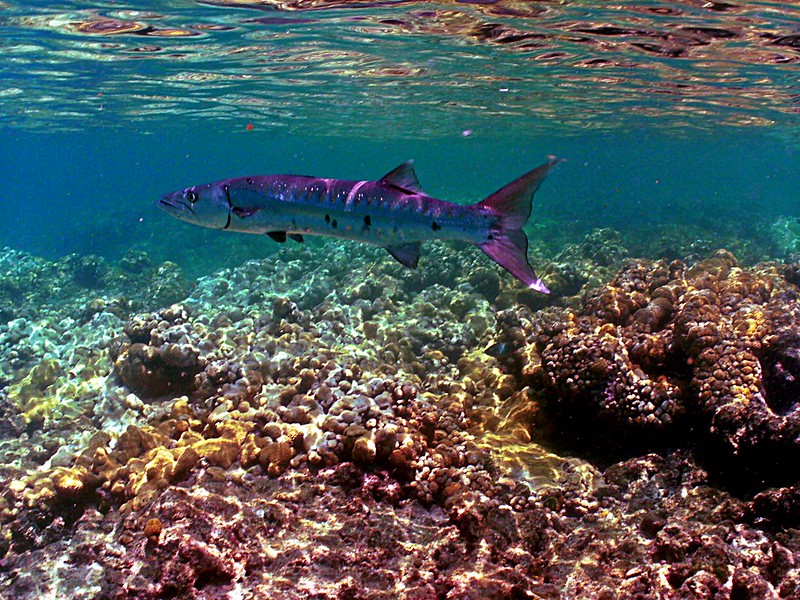
Do You Need a License to Scuba Dive in Florida?
While Florida doesn’t require a diving license, specific certifications and regulations determine who can explore its vibrant underwater world.
-
What is the 1/3 Rule in Scuba Diving?
In scuba diving, the rule of thirds could mean the difference between life and death beneath the waves.
-
Is It Better to Scuba Dive in the Morning or Afternoon?
Know why morning scuba diving trumps afternoon adventures with surprising benefits that could transform your underwater experience.
-
Best Time to Scuba Dive in Florida
In Florida’s warm waters, peak scuba diving thrives from May to September, but discover why some locations excel year-round.
-
Can You Scuba Dive in Belize Without Certification?
Belize’s barrier reef presents an enticing opportunity for aspiring divers who lack certification. Through PADI’s Discover Scuba Diving program, newcomers can encounter the underwater world under strict professional supervision. The introductory course includes safety protocols, basic underwater skills training, and carefully monitored shallow-water immersions. While this controlled environment allows for initial exploration, participants should understand…
-
How Much Does It Cost to Scuba Dive in Belize?
Discover Belize’s scuba diving costs, from budget-friendly local plunges to exclusive Blue Hole adventures that will transform your underwater experience.