Mask flooding is a manageable, predictable event that every swimmer can resolve with the right technique and composure. Tilting the head slightly back, pressing firmly against the mask’s upper frame, and exhaling steadily through the nose forces water downward and out of the seal. Weak exhalation and incorrect tilt angle are the most common reasons clearing fails. Practicing in a shallow pool builds the muscle memory and calm needed to master every aspect of this crucial skill.
Key Takeaways
- Tilt your head slightly back, press firmly on the mask’s upper frame, and exhale steadily through your nose to push water out.
- Practice intentionally flooding and clearing your mask in a shallow pool to build muscle memory and reduce anxiety.
- Weak exhalation fails to displace water; exhale deliberately and forcefully to ensure effective clearing every time.
- Maintaining neutral buoyancy during clearing helps stabilize your position and improves your overall technique significantly.
- Aim for five successful clearing repetitions in a controlled environment before attempting the skill in open water.
How to Clear Your Scuba Mask in Four Simple Steps
Clearing a flooded scuba mask is one of the most fundamental skills a swimmer must master before descending into open water. Proper mask fit guarantees a reliable seal, reducing unnecessary flooding during immersions. When water enters, divers must resist panic and rely on practiced breath control to expel it efficiently.
The four steps are straightforward: First, tilt the head slightly back. Second, press firmly against the mask’s upper frame. Third, exhale steadily through the nose, using controlled breath control to push water downward and out through the bottom seal. Fourth, release pressure and check the seal.
Consistent practice in shallow water builds the muscle memory divers need to execute this technique confidently in any underwater environment.
Why Water Keeps Getting Into Your Mask
Even experienced snorkelers encounter recurring mask leaks, and the cause is almost always traced to one of a few identifiable factors. Poor mask fit remains the primary culprit — facial hair, sunscreen residue, or an improperly positioned strap disrupts the seal between silicone skirt and skin. Water pressure increases with depth, forcing water through even minor gaps that surface swimmers might never notice. Structural issues compound the problem: aging silicone loses flexibility, reducing its ability to conform to facial contours. Hair caught beneath the skirt creates invisible channels where water enters continuously. Understanding these mechanical realities empowers swimmers to diagnose leaks systematically rather than guessing underwater. Addressing mask fit before entry eliminates most problems entirely, allowing swimmers to focus on the environment rather than equipment management.
The Only Gear You Need to Practice Mask Clearing
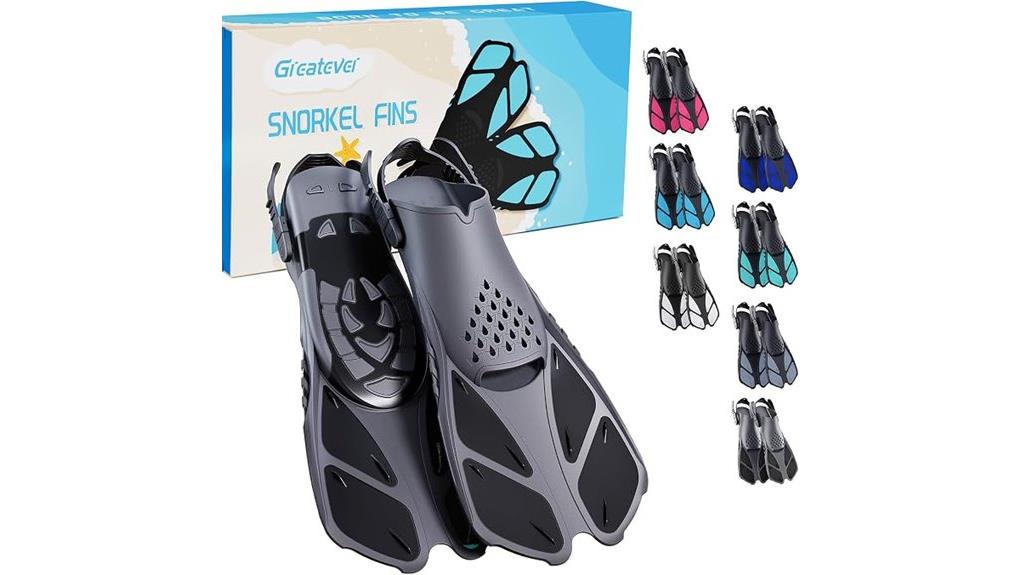
Practicing mask clearing requires minimal equipment, making it one of the most accessible skills for new swimmers and snorkelers to develop. The vital items include a well-fitted silicone mask, a snorkel, and access to a shallow practice pool where depth can be controlled. A checklist of recommended gear should as well account for a swim cap to keep hair from breaking the mask seal, and fins for maintaining position while focusing on the clearing technique.
Essential Mask Clearing Equipment
Mask clearing requires minimal equipment, making it one of the more accessible skills for new swimmers to practice. A properly fitted silicone mask with a low-volume design allows for easier clearing with less effort. Tempered glass lenses offer durability and superior visibility tips for underwater navigation. Explorers should prioritize mask maintenance by rinsing equipment thoroughly after each session, preventing salt and chlorine buildup that degrades seals over time.
A snorkel paired with the mask facilitates breath control practice, reinforcing proper clearing techniques without full submersion. Anti-fog solution keeps lenses clear during training, eliminating distractions caused by condensation. Selecting gear that fits securely without excessive tightening reduces facial discomfort, allowing practitioners to focus entirely on developing confident, efficient clearing techniques rather than struggling with poorly suited equipment.
Practice Pool Must-Haves
A few core items are all that swimmers need to begin practicing mask clearing effectively in a pool setting. Among the pool necessities, a well-fitted silicone mask ranks highest in priority. A reliable snorkel complements this setup, allowing breath control practice without surface interruptions. Fins provide propulsion efficiency, freeing mental focus for the clearing technique itself. These diving accessories eliminate unnecessary struggle against water resistance during drills.
A shallow practice pool offers the ideal controlled environment for beginners. Swimmers benefit from consistent water temperature and visibility, reducing anxiety during initial attempts. A safety buddy adds an extra layer of confidence, particularly for those new to underwater skill-building. Together, these straightforward items create the conditions necessary for mastering mask clearing without hesitation or fear.
Recommended Gear Checklist
Every swimmer preparing to master mask clearing needs only a handful of essential items to practice effectively. A well-fitting silicone mask remains the foundation, offering reliable seals against facial contours. Anti-fog treatments and mask fogging solutions prevent visibility loss during repetitive drills, ensuring uninterrupted practice sessions.
Preventative maintenance supplies, including mild soap and dedicated mask cleaners, preserve lens clarity and extend equipment lifespan. Fins provide controlled buoyancy, allowing practitioners to focus exclusively on technique rather than body positioning. A snorkel permits surface breathing between underwater repetitions without complete equipment removal.
Optional additions include a wetsuit for temperature regulation and a training log for tracking skill progression. These items collectively create a streamlined practice environment, eliminating unnecessary distractions and empowering swimmers to build genuine confidence underwater.
How to Clear a Full-Face Scuba Mask
Full-face scuba masks present a unique clearing challenge as they enclose both the nose and mouth, eliminating the standard exhale-through-the-nose technique. Instead, snorkelers must locate the dedicated purge valve, typically positioned at the chin or lower mask section. Pressing this valve while tilting the head slightly downward forces water outward through the designed drainage system.
Proper mask fitting remains critical for full-face models, as an improperly sealed mask floods more frequently and requires repeated clearing. Snorkelers should practice clearing techniques in controlled, shallow water before attempting deeper explorations. Most full-face masks feature integrated demand valves that assist in expelling water efficiently when the snorkeler exhales forcefully. Understanding the specific purge mechanism of each mask model guarantees confident, rapid clearing during unexpected flooding situations.
Common Mask Clearing Mistakes and How to Fix Them
Even experienced snorkelers frequently make the same two errors when attempting to clear their masks: tilting the mask at the wrong angle and exhaling with insufficient force. When the mask is tilted incorrectly—either too far forward or not angled toward the low point where water has collected—the water has no proper exit path, causing the clearing attempt to fail. A weak exhalation similarly undermines the process, as the airflow must be forceful enough to displace the water and push it past the mask’s lower seal.
Tilting the Mask Incorrectly
Tilting the mask incorrectly ranks among the most common errors underwater adventurers make when attempting to clear water from their mask. Poor mask fit compounds this problem, disrupting proper pressure equalization and leaving scuba divers struggling unnecessarily.
Correct tilting technique follows these four principles:
- Press the top frame firmly against the forehead, not the sides
- Angle the bottom edge slightly outward to create a controlled exit point
- Exhale steadily through the nose rather than forcefully
- Maintain neutral buoyancy throughout the clearing process
Incorrect tilting breaks the seal inconsistently, allowing water to re-enter faster than it exits. Understanding the geometry of the mask’s frame transforms this frustrating experience into a reliable, repeatable skill that grants scuba divers genuine confidence and underwater freedom.
Exhaling Too Weakly
Exhaling too weakly stands as another frequent error that undermines successful mask clearing, even when the swimmer has achieved correct tilt angle and frame positioning. Insufficient breath control prevents water from fully expelling through the mask’s lower edge, leaving residual dampness that compromises visibility and swimmer confidence. The fix requires deliberate, forceful exhalation through the nose — not a timid release, but a controlled, assertive burst of air that physically displaces water downward and outward. Swimmers should practice breath control on land before attempting mask adjustment underwater. Building exhalation strength progressively allows swimmers to develop reliable technique without anxiety. Once strong, consistent breath control becomes automatic, mask adjustment transforms from a stressful procedure into a straightforward skill that supports underwater freedom and sustained situational awareness.
How to Control Your Breathing When Your Mask Floods
When a mask floods underwater, panic is the snorkeler’s greatest enemy. Mastering breathing techniques and panic control preserves both safety and freedom beneath the surface.
Follow these controlled steps:
- Inhale slowly through the mouth via the snorkel, taking a deliberate, measured breath.
- Hold briefly to stabilize buoyancy and mental composure before acting.
- Tilt the head back while pressing the mask’s upper frame firmly against the forehead.
- Exhale forcefully through the nose, expelling water completely downward through the mask’s lower seal.
Controlled breathing interrupts the panic cycle, allowing the snorkeler to think clearly and execute the clearing process efficiently. Consistent practice of these techniques transforms a stressful flood event into a manageable, routine procedure.
How to Practice Mask Clearing Before Your Next Dive
Practicing mask clearing in a controlled environment before entering open water builds the muscle memory and confidence essential for executing the technique instinctively during an actual plunge. Swimmers should begin in a shallow pool, deliberately flooding their mask and rehearsing mask clearing techniques repeatedly until the process feels automatic. Focus should remain on maintaining calm exhalation through the nose while tilting the head back slightly. Divers who master this skill report significantly improved underwater visibility management, as they no longer waste precious bottom time struggling with flooded equipment. Instructors recommend at minimum five consecutive successful repetitions before advancing to open water scenarios. Consistent practice transforms an anxiety-inducing situation into a manageable, routine procedure, ultimately granting divers the freedom to investigate underwater environments with genuine confidence and composure.
When to Signal Your Dive Buddy for Help
Mastering mask clearing in a pool prepares snorkelers for solo equipment management, but underwater safety ultimately depends on effective communication with a buddy. Recognizing when to deploy proper signal types guarantees divers maintain control without surfacing unnecessarily.
Signal your dive buddy immediately when experiencing:
- Persistent flooding in spite of two clearing attempts
- Visibility obstruction preventing safe navigation
- Unexpected discomfort, pain, or disorientation
- Equipment malfunction beyond self-correction
Buddy communication relies on standardized hand signals: the distress signal (open palm waving horizontally), the “something wrong” signal (hand rocking side-to-side), and direct eye contact with pointed gestures toward the mask. Divers who internalize these signal types retain autonomy underwater while accessing immediate assistance. Proactive communication prevents minor equipment issues from escalating into genuine emergencies, preserving both safety and dive continuity.